
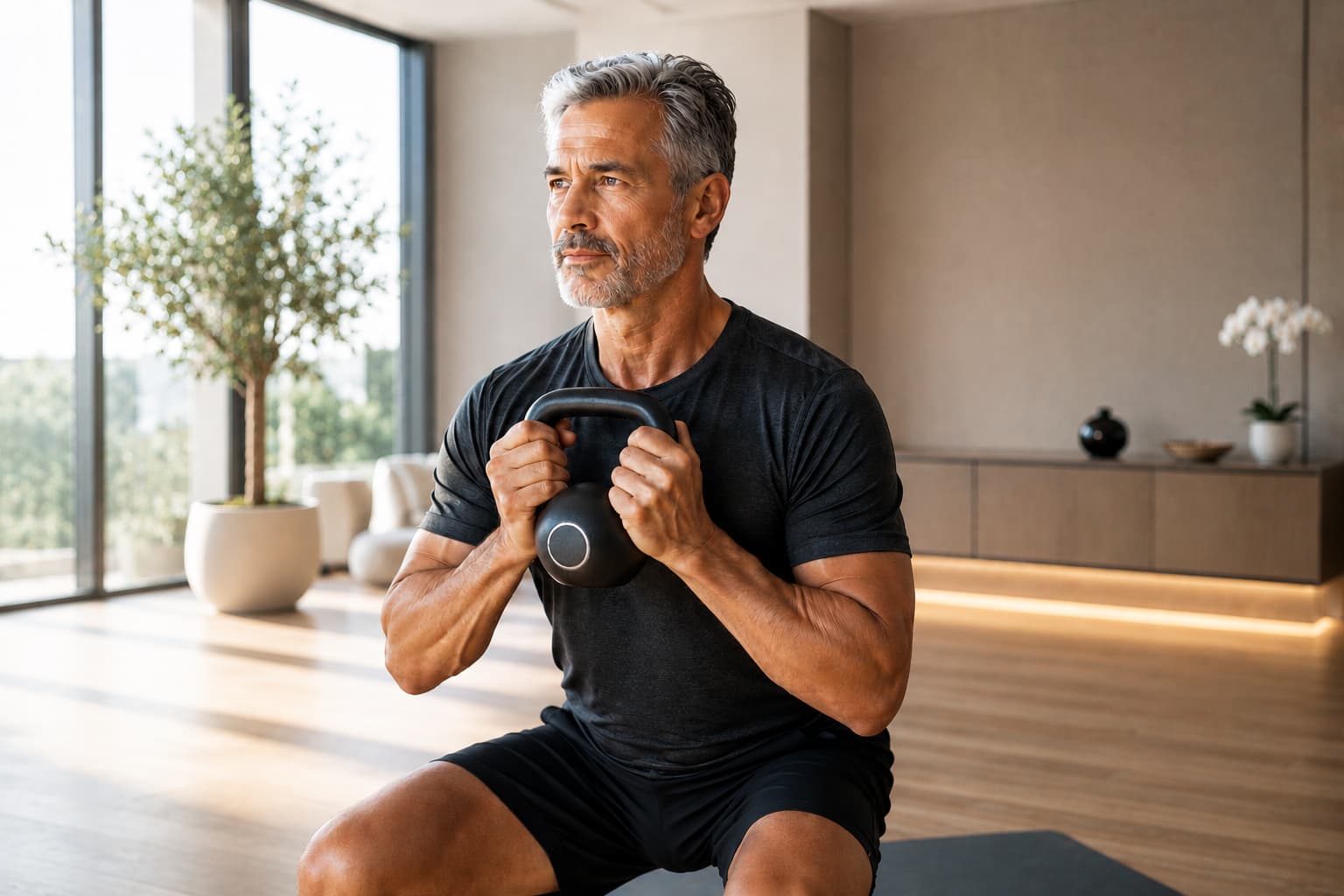
— OUR BIOLOGY HAS NOT EVOLVED TO BE SEDENTARY.
Physical Activity in Lifestyle Medicine
Our bodies are meant to move. It is obvious to most that moving our muscles and our bodies is needed for everything we do in the external world but what many people fail to realize is that it is essential for how the internal systems of our body work. The metabolic systems of our body that manage everything from blood sugar to blood pressure to which of our genes are turned off and rely on movement.
In today’s world the average person spends nearly all of their day seated; at the desk, in the car, on the couch. While our sedentary lifestyle has evolved, our bodies have not. The human body is designed for an active lifestyle- think about the hunter gatherer ancestors that predate us. It is vital to our health that we get up, get out, and move.
The overarching goal of Lifestyle Medicine is to add life to your years by optimizing your metabolic and physical health. Physical activity directly supports this mission. Let’s talk about the evidence behind this medicine.
The Clinical Evidence Behind Movement and Healthspan
Rigorous scientific studies consistently demonstrate that regular exercise fundamentally alters human biology for the better. Movement acts as a systemic medicine, influencing everything from cardiovascular resilience to cognitive preservation.
A sedentary lifestyle is a primary driver of physical frailty. Your muscles are the body’s biggest user of the sugar from the food you eat. After a meal, muscle tissue pulls in most of that glucose and either burns it for energy or stores it for later. When muscles go unused, they become less responsive to insulin — and that’s one of the earliest steps on the road to type 2 diabetes. Furthermore, a lack of regular physical stress causes bone density to decrease and cardiovascular capacity to wane. This gradual decline is hard to recover from. The proactive incorporation of movement into daily habits will have exponentially positive impacts on health span.
Rather than waiting for symptoms of decline, proactive medical care monitors your functional metrics and biological markers. By examining the impact of exercise on your body, we can track improvements that correlate directly with longevity.
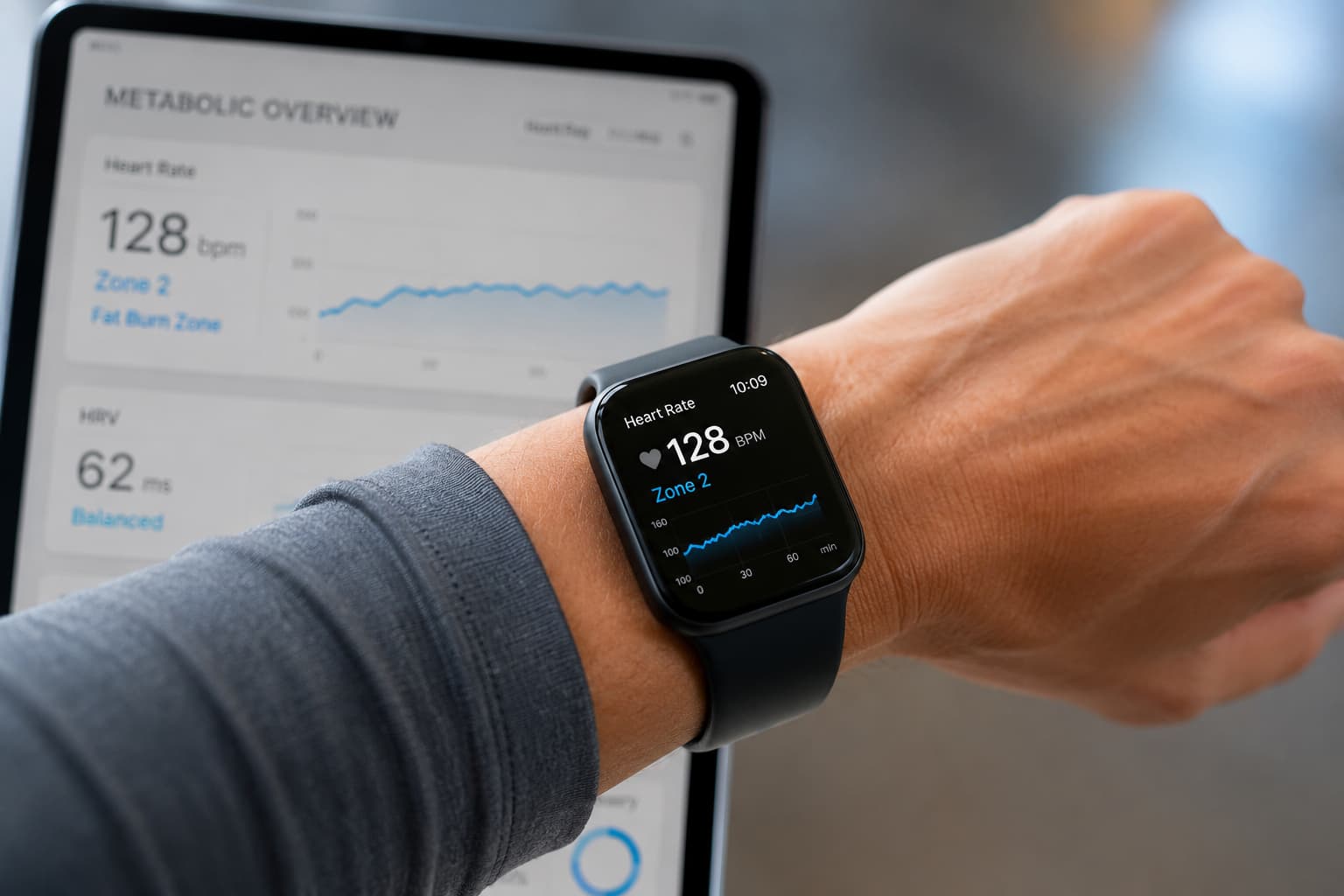
Utilizing continuous biomarkers transforms daily physical activity from a guessing game into a structured, evidence-based longevity strategy.
Designing Your Physical Activity Routine
Let’s look at some key components to improving a physical activity routine. To maximize the benefits of lifestyle medicine, a well-rounded exercise strategy should focus on three core areas:
Cardiovascular Conditioning
Aerobic exercise strengthens the heart muscle and improves the efficiency of your entire vascular system. Moderate-intensity steady-state cardio — often called Zone 2 training — teaches your body to burn fat more efficiently and builds the aerobic engine that underlies nearly every aspect of cardiovascular and metabolic health. This type of physical activity dramatically lowers your risk of heart disease, stroke, and hypertension.
Strength Training
Muscle mass is vital for aging well. Resistance training is a clinical necessity for preserving your independence and decreasing fall risk. Furthermore, lifting weights applies necessary stress to your skeletal system and can aid in preventing osteoporosis.
One of the most powerful functional metrics for overall longevity is grip strength. Clinical data reveals that grip strength is a highly accurate predictor of overall physical robustness and mortality risk. By engaging in regular resistance training, you directly improve this metric, ensuring you maintain the capability to perform daily tasks effortlessly as you age.
Balance Training
A flight of stairs we once were able to run up suddenly can become hard to scale. As we age our balance naturally declines. Like any chronic disease, preventive treatment can prolong your balance. Yoga, tai chi, or simply standing on one foot while you wash the dishes are excellent options for improving your balance. By strengthening the small muscles around your joints through these types of exercises you will vastly improve your overall balance performance. We utilize NASA developed technology to assess your balance before you are at risk of falling.
Building a Sustainable Fitness Plan
In the end, the most effective exercise protocol is the one you can perform consistently. If you are currently inactive, begin with daily walks. You can gradually increase steps and pace over time. It is quite literally one step at a time when it comes to building healthy physical activity habits. Aim for at least 150 minutes of moderate-intensity aerobic exercise per week, combined with two days of full-body resistance training.
Structured exercise is crucial, yes, but small habits like taking the stairs or standing on your tip toes while brushing your teeth can have a big impact on your fitness. Lifestyle medicine is a highly adaptable framework designed for everyone. Dr. Moore’s program is specifically designed to meet patients where they are in building out an attainable fitness plan. If you are ready to skip the generic fitness trends and develop an evidence-based movement strategy tailored strictly to your biology, schedule a one-on-one consultation at Complete Concierge Care today.