

— PROTECT YOUR BRAIN WITH RESTORATIVE SLEEP
Why Restorative Sleep is a Foundational Biological Necessity
Amidst a busy schedule sleep is often the first healthy lifestyle compromised. We cut our nights short to finish work, binge a new television show, or sometimes we can’t sleep simply because we cannot calm our racing minds. Sleep is a vital daily process just like eating and drinking. While sleep may seem like a simple activity, it has significant impacts on our health, happiness, and well-being. High quality sleep supports brain function, physical and mental health, growth, and recovery, whereas inadequate sleep or poor sleep quality can increase risk of diseases, exacerbate existing issues, and be detrimental to overall well-being.
Sleep is Medicine
To understand why restorative sleep is a medical necessity, we must first look at what happens to the human body when we do not get enough of it. Sleep deprivation is not just about feeling tired the next day; it actively degrades your metabolic and cognitive health. Chronic sleep deprivation results in impaired memory, impaired immune function, obesity in adults and children and contributes to diabetes and impaired glucose tolerance, cardiovascular disease and high blood pressure, anxiety, depression and increased accidents. When you consistently cut your sleep short, your body enters a state of chronic stress and inflammation
Perhaps the most alarming consequence of poor sleep relates to your brain. While you sleep, your brain undergoes a critical cleaning process. When you do not get enough deep restorative sleep, toxins remain trapped in your brain tissue potentially increasing dementia risk. Protecting your brain health requires prioritizing the deep, uninterrupted sleep cycles that allow this vital cleaning process to occur.
By actively prioritizing your sleep, you do not just improve your daily mood. You physically protect your heart, brain, nervous and immune systems.
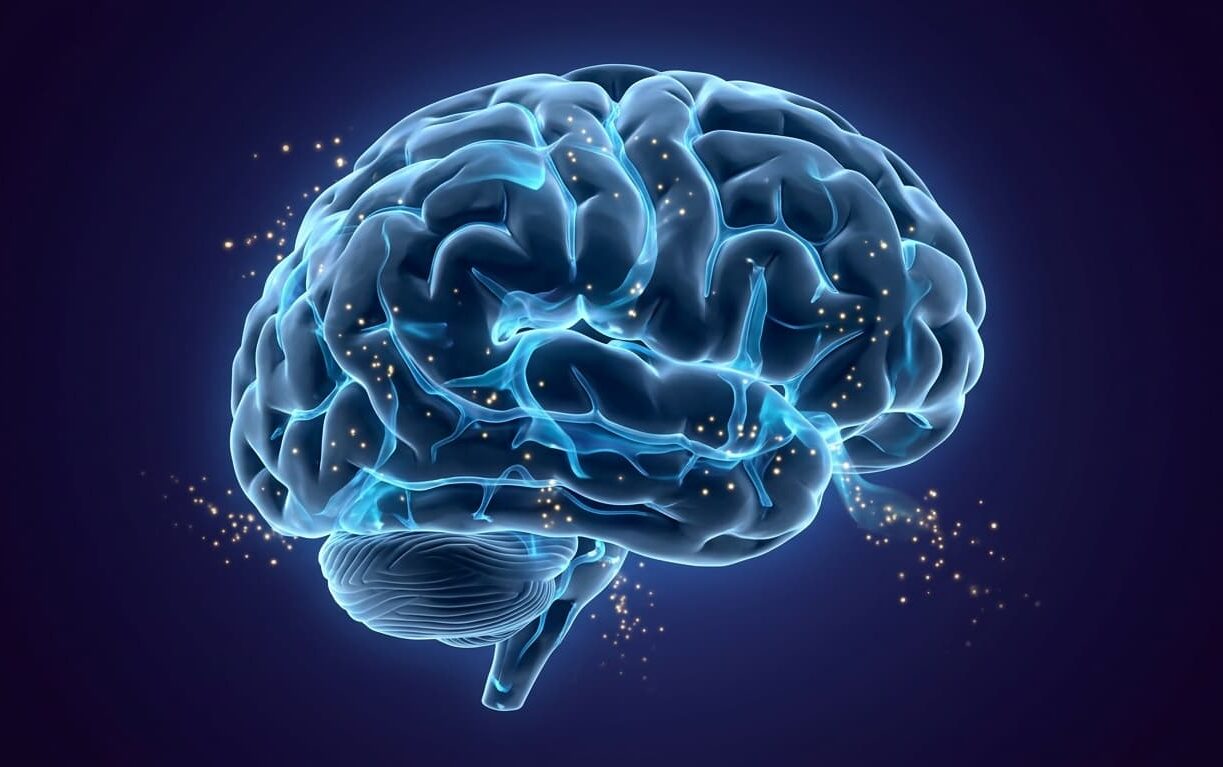
Deep sleep activates the brain’s glymphatic system—a nightly rinse cycle that clears metabolic waste and protects long-term cognitive health.
Mastering Sleep Hygiene for Restorative Sleep
Improving the quality and duration of your rest does not happen by accident; it requires intentional environmental and behavioral adjustments, collectively known as sleep hygiene. If you want to consistently hit that optimal medical target of 8 hours of deep, nightly recovery, you need a concrete daily blueprint.
Rather than relying on sleep aids, you can immediately upgrade your body’s natural sleep architecture by implementing these three foundational habits:
Consistency
Your circadian rhythm thrives on predictability. Going to bed and waking up at the exact same time every single day—even on weekends—anchors your internal biological clock. This consistency regulates your melatonin production, making it vastly easier to fall asleep and wake up naturally.
Optimize Your Sleep Environment
Your bedroom should serve as a sanctuary specifically designed for rest. Keep the room dark, using blackout curtains or a high-quality sleep mask to block ambient light. Furthermore, temperature plays an important role in sleep architecture. Keep your bedroom cool, ideally between 60 and 67 degrees Fahrenheit. A drop in core body temperature is required to initiate deep sleep.
Enforce a Digital Sunset
The blue light emitted by smartphones, tablets, and televisions actively suppresses your brain’s natural melatonin production. It tricks your nervous system into believing it is still daytime. Implement a strict “digital sunset” by turning off all electronic screens at least one to two hours before bed. Replace screen time with a calming routine, such as reading a physical book or having a cup of decaffeinated tea.
Reclaiming Your Health Nightly
Transforming your health through lifestyle medicine requires a fundamental shift in perspective: sleep is not passive downtime, but an active biological investment. By fiercely protecting your sleep hygiene, you provide your brain and body with the exact clinical tools they need to repair cellular damage, flush out toxins, and regulate your nervous system. True longevity isn’t just about what you do while you’re awake—it is built entirely on the foundation of the rest you get tonight. Turn off the screens, cool down your room, and let your biology do the work.