

— A GUIDE TO STAYING HEALTHY OVER 50
Health Screenings:
Tests You Shouldn’t Skip After 50
As we get older, our approach to health often shifts from reacting to problems to proactively preventing them. Waiting for symptoms to appear before seeing a doctor can mean missing a crucial window for effective treatment. This is where preventive health screenings become one of the most powerful tools in your health arsenal. For adults over 50, these routine tests are not just a recommendation—they are a cornerstone of long-term wellness, allowing for the early detection of conditions when they are most treatable.
Many people put off screenings due to anxiety, busy schedules, or confusion about which tests they truly need. However, taking a proactive stance on your health is one of the best investments you can make in your future. Understanding the purpose of key screenings can demystify the process and empower you to take control of your health journey, ensuring you stay vibrant and active for years to come.
Essential Health Screenings for Adults Over 50
Navigating the world of medical tests can feel overwhelming, but a few key screenings are particularly important once you pass the age of 50. While your doctor will provide personalized recommendations based on your specific health history, this guide covers the essential tests every adult in this age group should discuss with their provider.
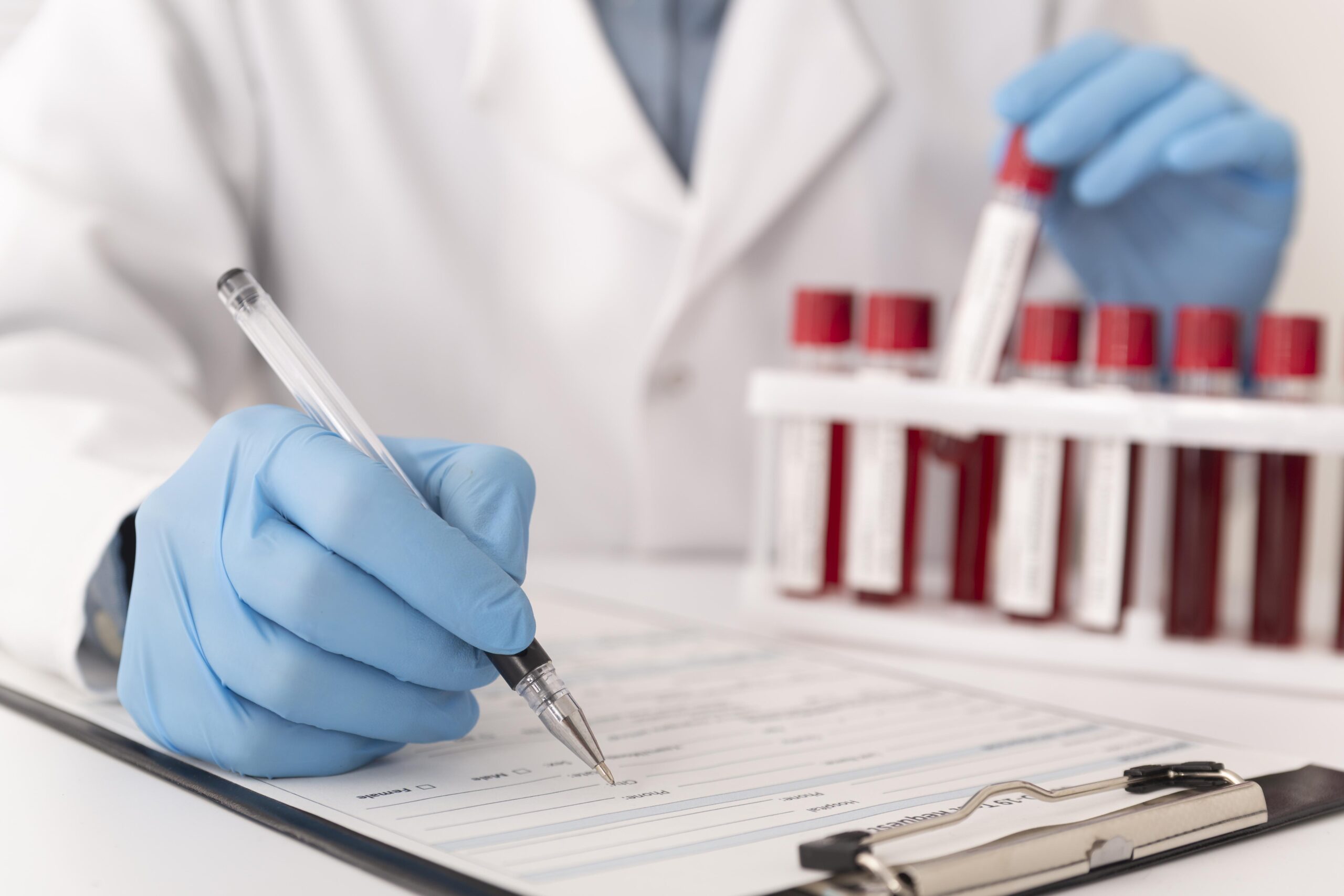
Staying on top of recommended screenings is one of the most effective ways to prevent serious health issues.
1. Colonoscopy for Colorectal Cancer
Colorectal cancer is one of the most preventable cancers, yet it remains a leading cause of cancer-related deaths. The reason for its preventability lies in the colonoscopy. This screening allows a doctor to examine the entire colon and rectum, identifying and removing precancerous polyps before they have a chance to develop into cancer.
- When to start: The American Cancer Society recommends starting regular screenings at age 45 for individuals at average risk. If you haven’t had one yet, 50 is a critical time to start.
- Frequency: If your results are normal, you may not need another for 10 years. Your doctor will advise a different schedule if polyps are found or if you have a higher risk.
2. Mammogram for Breast Cancer
For women, regular mammograms are the most effective tool for detecting breast cancer early. This makes mammograms one of the most essential women’s health screenings for adults over 50. This X-ray of the breast can find lumps or abnormalities long before they can be felt. Early detection through mammography means that treatment can begin when the cancer is smaller and less likely to have spread.
- When to start: Most guidelines recommend women begin yearly or biennial mammograms starting at age 40 or 50.
- Frequency: Discuss with your doctor whether an annual or biennial screening is right for you, based on your personal risk factors and health history.
3. Bone Density Test (DEXA Scan)
Osteoporosis, a condition that causes bones to become weak and brittle, is a silent disease. Often, the first sign is a painful fracture from a minor fall or bump.This bone health screening, known as a DEXA scan, is a low-dose X-ray that measures the mineral density of your bones, typically in the hip and spine. It can diagnose osteoporosis before a fracture occurs, allowing you to take steps to protect your bone health.
- Who needs it: It is recommended for all women over 65 and men over 70. However, postmenopausal women and men over 50 with risk factors (like a family history or a previous fracture) should discuss earlier screening with their doctor.
4. Blood Pressure Screening
High blood pressure, or hypertension, is often called the “silent killer” because it has no symptoms but significantly increases the risk of heart disease and stroke. Fortunately, it’s easy to detect and manage. Regular blood pressure checks are a simple, non-invasive way to monitor your cardiovascular health.
- Frequency: You should have your blood pressure checked at least once a year, or more frequently if you have been diagnosed with hypertension or have other cardiovascular risk factors.
5. Cholesterol Panel (Lipid Panel)
This blood test measures different types of fats in your blood, including LDL (“bad”) cholesterol, HDL (“good”) cholesterol, and triglycerides. High levels of LDL cholesterol can lead to the buildup of plaque in your arteries, increasing your risk for heart attack and stroke. A cholesterol panel helps your doctor assess your risk and recommend lifestyle changes or medication if needed.
- Frequency: Adults over 50 should have their cholesterol checked every one to two years, or more often if their levels are abnormal or if they have other risk factors for heart disease.
Why Early Detection Matters
The simple truth is that many serious health conditions, including certain cancers, heart disease, and osteoporosis, can develop silently for years without any noticeable symptoms. By the time symptoms do appear, the condition may have progressed to a more advanced stage, making it more difficult to manage.
Preventive screenings are designed to find these hidden threats early. Early detection dramatically improves treatment outcomes, often leading to less invasive procedures, shorter recovery times, and a better quality of life. Think of it as routine maintenance for your body; just as you change the oil in your car to prevent engine failure, you undergo screenings to prevent major health crises. This proactive approach transforms healthcare from a reactive system that treats illness to a partnership that preserves wellness.
Early detection saves lives—and having a doctor who truly knows you makes it even more effective. Discover how concierge care can help you stay proactive with the right screenings at the right time.