
— LIVED EXPERIENCE AND EXPERTISE – HOW WOMEN PHYSICIANS ARE LEANING INTO THEIR PRACTICE
Healthcare by and for Women: A CCC Conversation on Intentional and Responsive Care
Women deserve healthcare that is responsive to their story and individual health journeys. For too long, the tradition-bound healthcare system [in the U.S.] has dismissed the expectations that women have always had for their healthcare – competence, specificity, and intention. The barriers to comprehensive women’s health care are many – seen and unseen – including insurance and financial barriers, access/presence of qualified practitioners, personal, family and work obligations, childcare challenges, and past negative care experiences. Additionally, social, cultural and political beliefs obscure women’s healthcare needs related to fertility and maternity, menstruation, menopause, and even post-partum care. This reality may leave women unprepared or unwilling to discuss these.
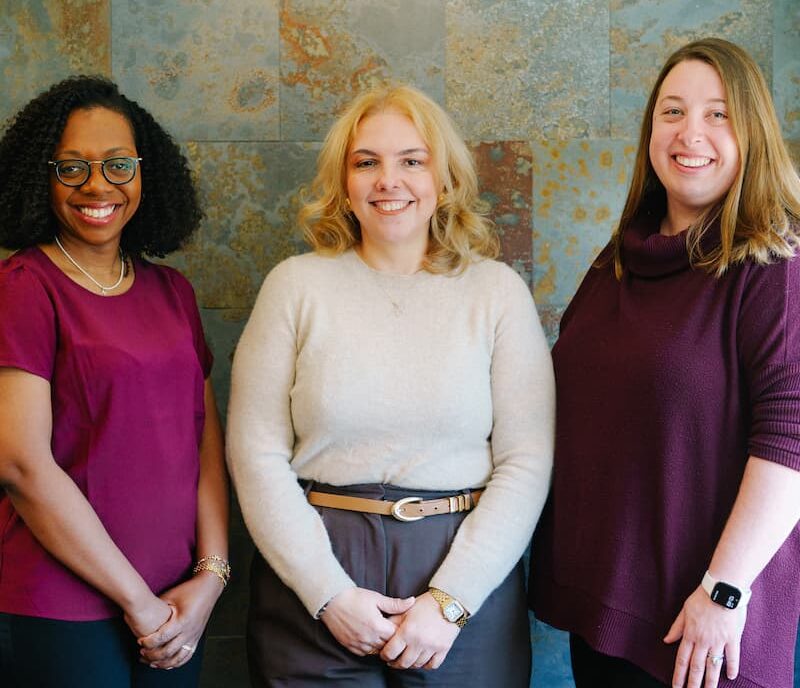
At Complete Concierge Care, we recognize that a woman’s access to responsive and intentional care means addressing these issues through open dialogue, individualized treatment options and always offering knowledge to patients when helpful. In the excerpt below, our Bethesda-based all woman physician team, Allison Hockman, DO, Adrienne LaFleur, MD, and Ana Paunovic, MD discuss how they are focused on actively reducing barriers to the care that every woman deserves.
What should ‘access’ look like for patients—beyond just having an appointment slot?

Dr. Hockman: Access is about more than being able to schedule an appointment; it means having access to a provider who exhibits presence and full focus on the patient and their needs and concerns. It’s important for patients to have access to a provider that prioritizes continually developing their knowledge in a changing healthcare climate and sharing that knowledge with patients in a way that is digestible.
Dr. Paunovic: For some patients, with specialized needs, our credentialing (at Suburban Hospital) allows us to provide a true “continuity of care”, it bridges the vulnerability gap between outpatient and inpatient care. This helps patients by allowing us to provide an outpatient perspective to their inpatient healthcare providers.
Dr. LaFleur: Unfortunately, some of our patients bring a history of feeling dismissed by prior providers. I rebuild trust by listening and validating their experience elsewhere, and I express that their concerns deserve conversation, understanding and recognition.
For women, preventive care can feel like a scavenger hunt. What’s the simplest way to know which screenings you need?
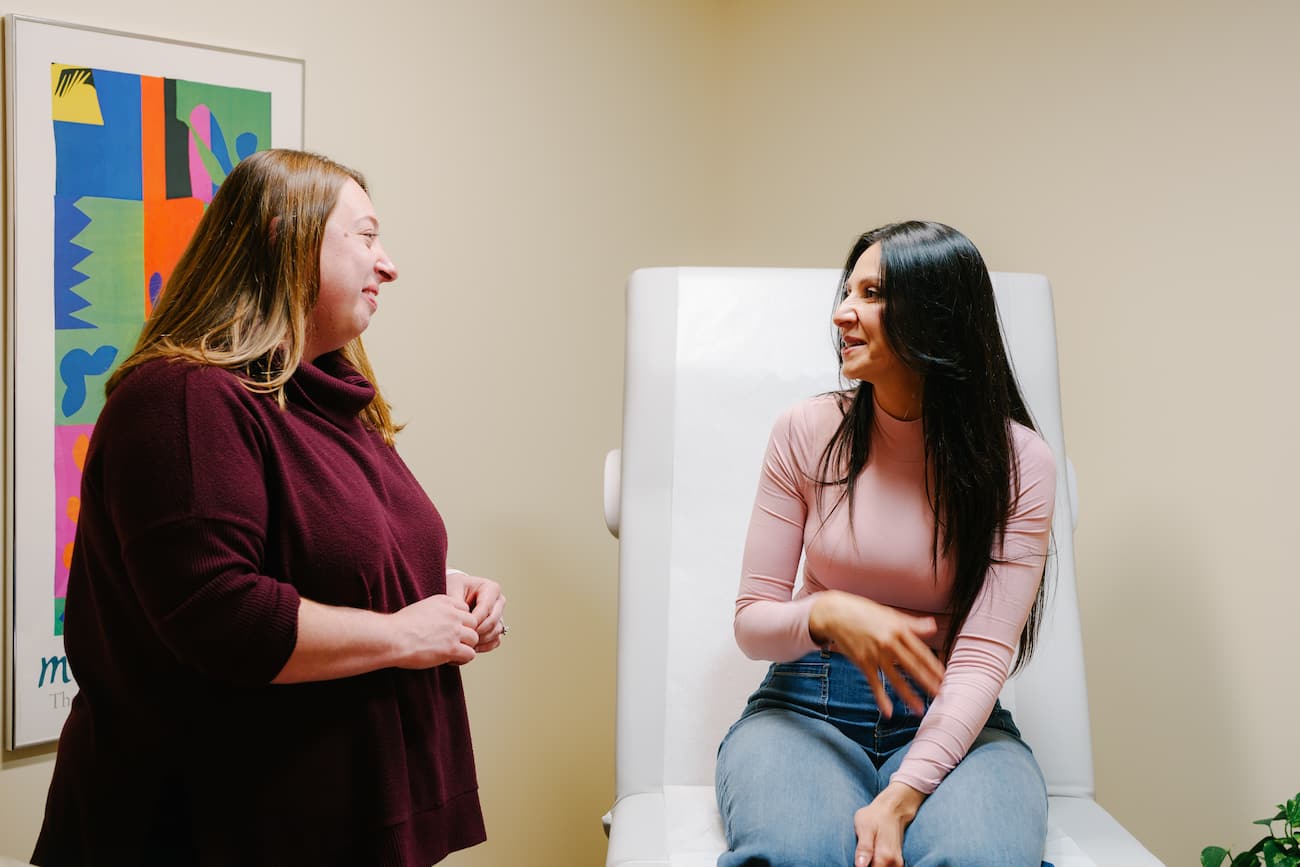
Dr. Hockman: Women do need a yearly review of necessary screenings. Their annual physical is an appropriate moment to discuss the types, reasons, and timing for screenings. I provide a checklist and reminders of these needs during follow-up appointments when a patient has not completed their screenings.
Dr. Paunovic: If the list is overwhelming, we need to break it down. Ensuring that we – in our relationship as provider and patient – are clear on the screening needs including pap smears, mammograms, blood pressure checks, and vaccinations. I try to make it more approachable by limiting how many specialists that need to be involved in these screenings. Time is valuable, and they can get their screenings ordered and managed by their PCP. Patients don’t need a multitude of specialists to tackle their preventative care—that’s our job.
Dr. LaFleur: A lack of screening or being late to a screening is never scrutinized. Preventative screenings are so important. We need to talk about screenings without fear or shame—especially for patients with trauma histories or anxiety. The first approach is understanding the barriers and working together with the patient to find ways to make this seem less daunting or adjusting my approach in ways that are sensitive to their experiences and backgrounds.
If you’re seeking a primary care experience that truly listens, anticipates your needs, and centers your well-being, a women-led concierge medical practice may be the right fit. Complete Concierge Care offers unhurried visits, personalized guidance, and a trusted partnership—so your health is supported with the time and attention it deserves.
How do we personalize care – bringing a more responsive, proactive and intentional lens to the health care needs of women?
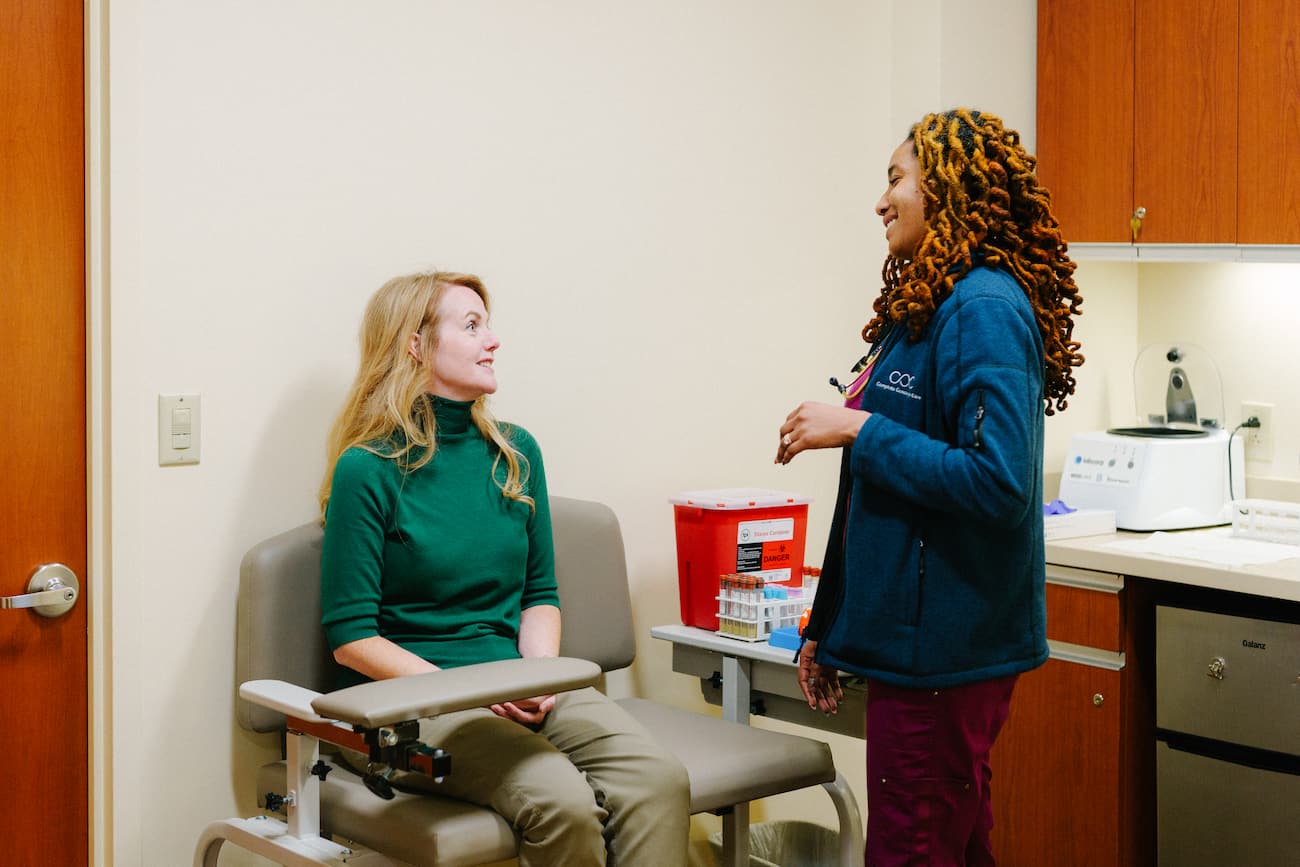
Dr. Hockman: Not every plan is suitable for everyone, we assess suitability, personal risk, and address the symptoms that matter to the patient. Each plan of care (and action!) must be as unique as the individual and their experience.
Dr. Paunovic: Many myths and misconceptions still surround women’s health, from exaggerated fears about hormone replacement therapy—despite the availability of safe options—to the harmful assumption that health concerns are simply weight issues. Addressing these barriers requires open conversations where patients feel empowered to discuss their concerns in a safe, non-judgmental care environment.
Dr. LaFleur: When I am counseling a female patient on a particular course of action – I want them to understand all of their options and things they should be considering like non-hormonal strategies, implications for bone health, cardiovascular risk, sleep, and sexual wellbeing.
How do we prepare women in their 30s and 40s for perimenopause and mid-life health considerations?
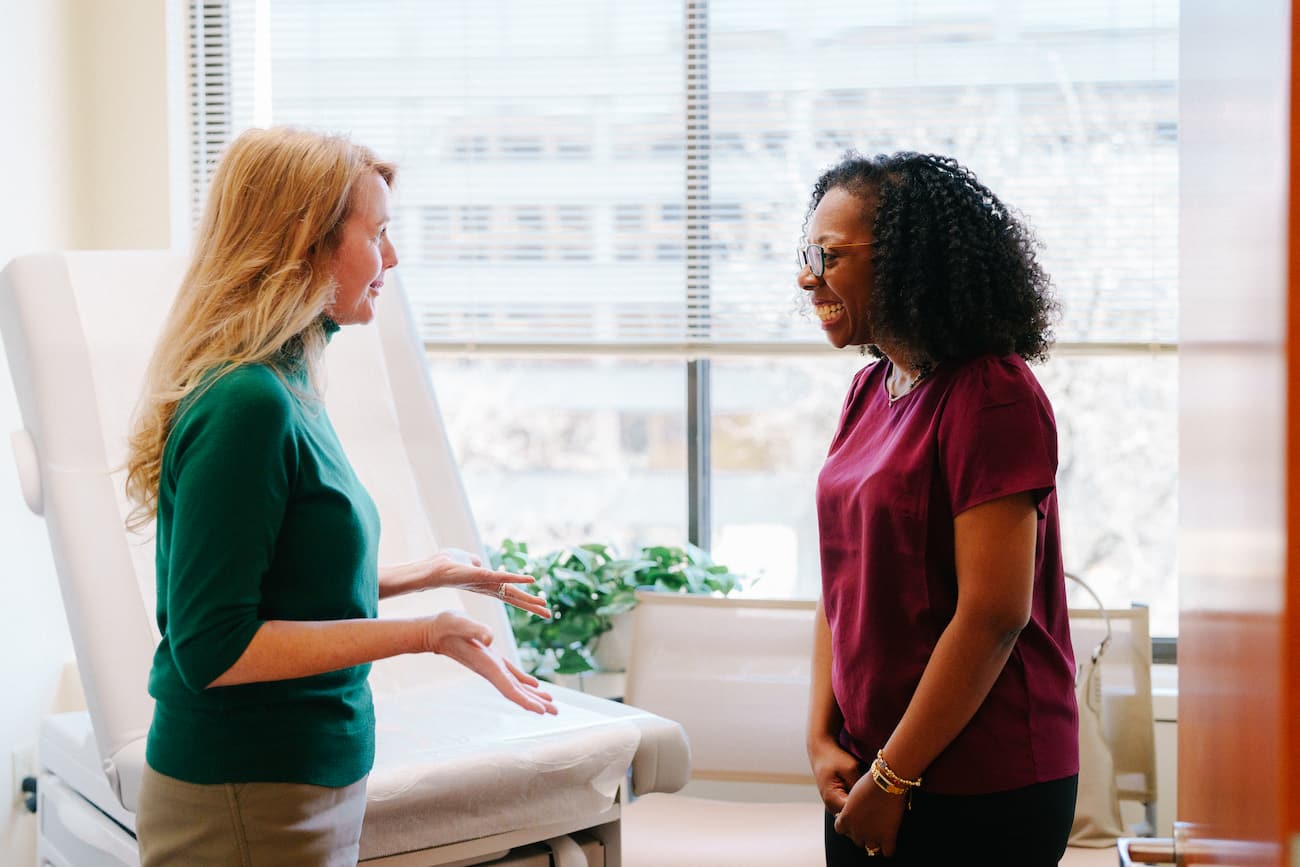
Dr. Hockman: Perimenopause and menopause conversations shouldn’t be a secret. We educate patients on what to expect and signs to look out for at each wellness visit. Wellness should be a continual conversation – always open and responsive to health and lifestyle needs and aspirations.
Dr. Paunovic: At middle-age, we are often holding so much – family, children, careers, aging parents, our own health and the pressing challenges and stresses of the day. Mental health, body image, and lifestyle transitions can all influence our overall quality of life and health outcomes. It’s important to take all of this into consideration – a holistic approach to health and lifestyle – when considering an overall health plan.
Dr. LaFleur: For example, many women, during perimenopause or menopause, experience unexpected weight gain which can be difficult to understand especially when their lifestyle has not changed. As a result, there is even more physical and emotional stress during this transition, a worsening sense of lack of control over their bodies, and mixed messages on how to deal with the change. I lean on my experience and training to reassure women that these biological transitions are well understood and that I am here to be source of expert support in their journey.