
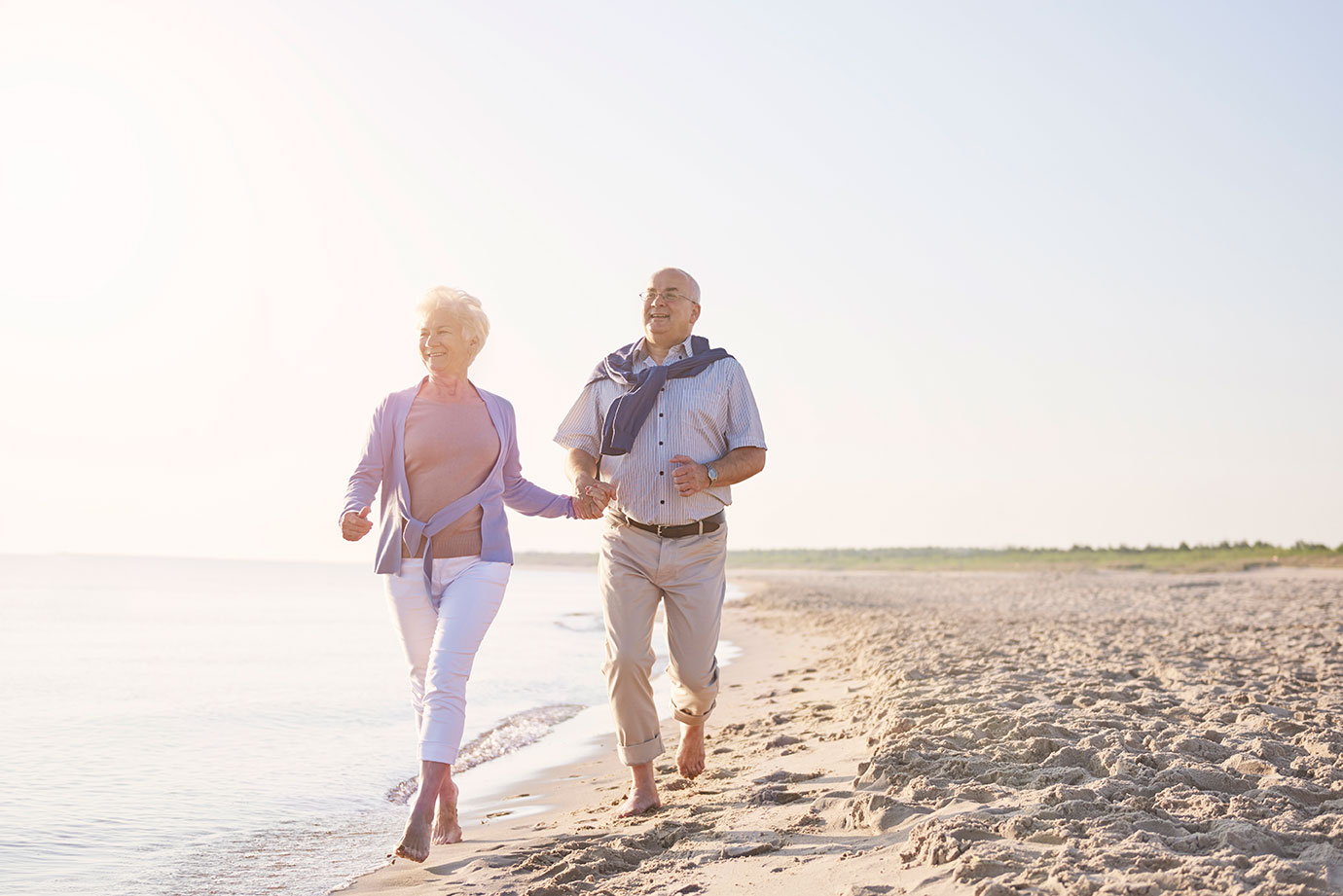
— IT’S NEVER TOO LATE TO START MOVING—AND NEVER TOO EARLY TO BENEFIT
Fitness Tips for Adults and Seniors to Support Healthy Aging
Physical activity is a cornerstone of healthy aging, yet our relationship with exercise often changes as we move through different decades of life. The high-energy sports of our youth may give way to more moderate activities in adulthood, and by the time we reach our senior years, the focus may shift toward maintaining mobility, balance, and independence. The key to long-term wellness isn’t about sticking to a single, grueling routine forever; it’s about adapting your approach to fitness to meet your body’s evolving needs.
Staying active at every age is one of the most effective ways to support healthy aging, prevent chronic conditions, maintain mental clarity, and preserve your quality of life. Whether you’re a working professional in your 40s, navigating the physical changes of your 60s, or embracing life in your 80s, there is a form of movement that can strengthen your body and enhance your overall well-being. Understanding how to tailor your fitness plan can help you overcome common barriers and build a sustainable habit that supports your wellness journey for years to come.
The Universal Benefits of Staying Active
Before diving into age-specific recommendations, it’s important to remember why movement matters so much. Regardless of your age, regular physical activity offers a wealth of benefits that protect both your body and mind.
Consistent exercise helps to:
- Prevent Chronic Diseases: It lowers your risk of developing heart disease, type 2 diabetes, and certain types of cancer.
- Maintain a Healthy Weight: Physical activity burns calories and boosts metabolism, making it easier to manage your weight.
- Strengthen Bones and Muscles: Weight-bearing exercises are crucial for maintaining bone density and muscle mass, which reduces the risk of osteoporosis and falls.
- Improve Mental Health: Exercise is a powerful mood booster that can reduce symptoms of depression and anxiety, while also improving cognitive function.
- Boost Energy Levels: It might seem counterintuitive, but regular activity can fight fatigue and increase your overall energy.
These benefits apply to everyone, at any fitness level. The goal is to find enjoyable and sustainable ways to incorporate movement into your daily life to support healthy aging.
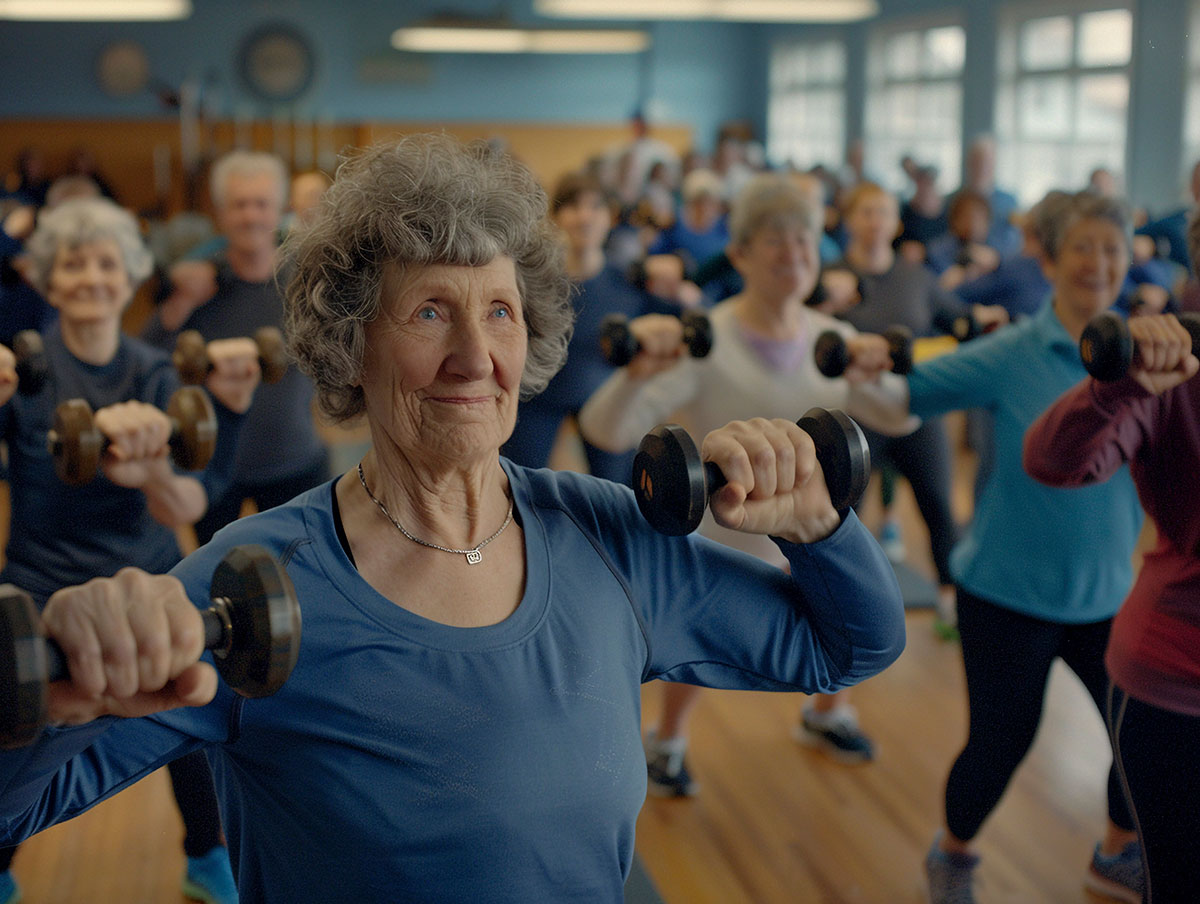
No matter your age or fitness level, staying active continues to strengthen your body and support healthy aging—proving it’s never too late to begin.
Fitness in Your 40s and 50s: Building a Strong Foundation
For many, middle age is a period of peak career and family responsibilities. Lack of time becomes a significant barrier to exercise, and the first signs of age-related changes—like a slowing metabolism or minor joint aches—may start to appear. The focus during these decades should be on building a strong, resilient foundation to carry you into your later years.
Key Fitness Goals:
- Preserving lean muscle mass.
- Maintaining cardiovascular health.
- Managing stress and weight.
Recommended Activities:
- Strength Training: This is non-negotiable. After age 30, you can lose 3-5% of your muscle mass per decade. Incorporate strength training at least two days a week, focusing on compound exercises like squats, lunges, push-ups, and rows. This will boost your metabolism and protect your bones.
- Aerobic Exercise: Aim for at least 150 minutes of moderate-intensity cardio per week. This could be brisk walking, jogging, cycling, or swimming. To overcome time constraints, try breaking it up into shorter, 10-minute sessions throughout the day. High-Intensity Interval Training (HIIT) can also be a time-efficient way to get a great cardiovascular workout.
- Flexibility and Mobility: As tissues become less pliable with age, stretching is crucial for preventing injury. Incorporate regular stretching or try activities like yoga to maintain your range of motion.
Overcoming Barriers:
- Lack of Time: Schedule workouts in your calendar like any other important appointment. Look for opportunities to be active throughout the day, such as taking the stairs or going for a walk during your lunch break.
- Minor Aches and Pains: Don’t push through sharp pain. Warm up properly before each workout and cool down afterward. If a particular exercise hurts, find a modification or an alternative that doesn’t cause discomfort.
Fitness in Your 60s and 70s: Focusing on Function and Balance
During your 60s and 70s, fitness goals often shift toward maintaining independence, improving stability, and preventing falls. Chronic conditions may also influence your routine. Consistency and safe movement are essential pillars of healthy aging in this stage.
Key Fitness Goals:
- Improving balance and stability.
- Maintaining joint health and mobility.
- Preserving strength for daily activities.
Recommended Activities:
- Balance Exercises: This is critically important for fall prevention. Simple exercises like standing on one foot, walking heel-to-toe, or practicing tai chi can significantly improve your stability.
- Low-Impact Aerobics: Activities that are gentle on the joints are ideal. Think swimming, water aerobics, stationary cycling, or walking. These activities get your heart rate up without putting excess strain on your knees and hips.
- Functional Strength Training: Continue with strength training, but focus on movements that mimic daily life. Exercises like chair squats (practicing standing up from a seated position), wall push-ups, and carrying light weights can help you maintain the strength needed for tasks like grocery shopping and getting out of a car.
- Stretching: Gentle stretching is more important than ever to combat stiffness and maintain flexibility. Focus on major muscle groups and hold each stretch without bouncing.
Overcoming Barriers:
- Joint Pain: Water-based exercises are an excellent option, as the buoyancy of the water supports your body and reduces impact on your joints.
- Fear of Injury: Start slow and listen to your body. Working with a professional who can teach you proper form can provide confidence and ensure you are exercising safely.
Fitness for 80 and Beyond: Prioritizing Mobility
In your 80s and beyond, the primary goal of physical activity is to maintain mobility and independence for as long as possible. Even small amounts of movement can make a huge difference in your ability to perform daily tasks and stay engaged with life.
Key Fitness Goals:
- Maintaining mobility for daily tasks.
- Reducing the risk of falls.
- Staying socially engaged through activity.
Recommended Activities:
- Seated Exercises: Many effective exercises can be done from a chair, including leg lifts, arm raises with light weights or soup cans, and seated marching.
- Short Walks: If possible, take short, slow walks throughout the day, using a walker or cane if needed for support.
- Flexibility and Range of Motion: Simple, gentle stretches done daily can help reduce stiffness and make movement easier. Focus on moving all your major joints through their full, comfortable range of motion.
- Group Classes: Look for senior fitness classes at a local community center. These provide a safe, supportive environment and a valuable opportunity for social connection.
Overcoming Barriers:
- Limited Mobility: Any movement is better than none. Even just a few minutes of seated exercises several times a day can help maintain strength and circulation.
- Low Energy: Break activity into very short bursts. Five minutes of movement at a time can add up and is often more manageable than a single, longer session.
The Concierge Care Advantage: A Truly Custom Fitness Plan for Healthy Aging
While these age-based guidelines provide a helpful starting point, the most effective fitness plan is one that is tailored to your unique body, health status, and goals. This is where the personalized approach of concierge medicine can be a game-changer.
In a traditional healthcare system, a doctor may simply advise you to “get more exercise.” A concierge physician, however, has the time to create a partnership with you to develop a plan that is both safe and sustainable.
With a concierge care model, you can expect:
- A Comprehensive Assessment: Your doctor will conduct a thorough evaluation of your current fitness level, joint health, cardiovascular status, and any chronic conditions.
- Personalized Recommendations: Based on this assessment, your physician can help you design a fitness plan that is right for you. This goes beyond generic advice to include specific types of exercises, frequency, and intensity levels that align with your health needs.
- Safe and Effective Guidance: If you have a condition like arthritis or osteoporosis, your doctor can provide guidance on which exercises to perform and which to avoid, ensuring you get the benefits of activity without risking injury.
- Coordinated Care: Your physician can work with physical therapists or certified trainers to create a seamless and supportive team dedicated to your wellness.
- Ongoing Support and Motivation: Building a new habit is challenging. Your concierge doctor is your partner in health, providing the encouragement and accountability you need to stay on track.
Staying active is a lifelong journey, not a destination. By adapting your approach as you age and seeking personalized guidance, you can create a fitness plan that supports your health, enhances your vitality, and empowers you to live your best life, at any age.